

If you prefer to search on your own for a facility, you can use this tool. Health insurance coverage for addiction treatment may be available and depends on your specific insurance plan. However, the first step is to verify that the rehab facility accepts your insurance. You can contact an admissions navigator at , and they will verify your benefits.
- Due to its effectiveness, meditation has become increasingly popular in recent years.
- According to the Addiction Policy Reform (APF) Survey, 1 in 3 report changes in treatment or recovery support services due to the COVID-19 pandemic.
- Meditation has emerged as a promising complementary therapy for the treatment of substance use disorders.
- Research by Paulus et al., (2012) suggests that body scan meditation increases interoceptive awareness, which is the ability to perceive internal bodily sensations.
More Guidelines to Guarantee Success in Early Recovery

Our dedicated team is committed to transforming lives, not just treating addiction. While the benefits of meditation in the context of addiction recovery are significant, it’s equally important to consider potential challenges. Initiating a meditation practice can seem intimidating, particularly for those who are new to it or find it difficult to focus and stay still. Patience and consistency are crucial, as the advantages of meditation often become more apparent over time. Additionally, meditation is a potent tool for alleviating stress, anxiety, and other emotions triggered and exacerbated by the process of addiction recovery.
Breath Awareness Meditation
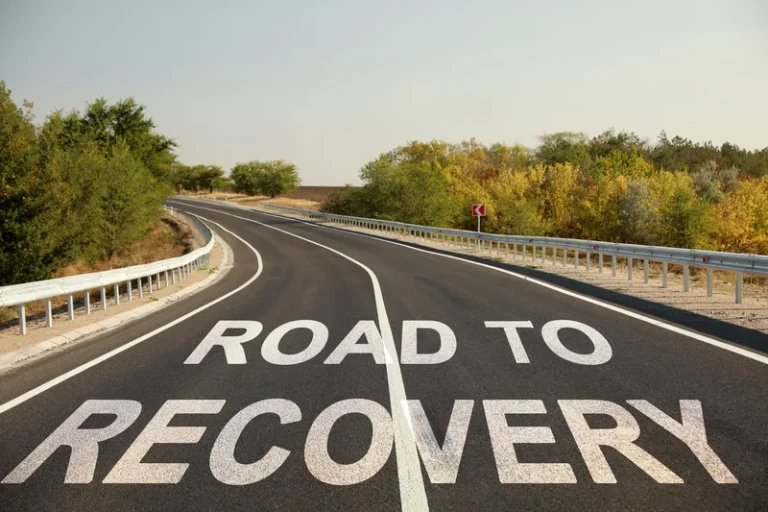
Drug addiction is extremely challenging to overcome, but recovery is possible with strong determination and the right tools. If you’re struggling to quit substance abuse on your own, even after trying drug addiction behavior self-help strategies, Resurgence Behavioral Health is here to guide you toward a healthier, more fulfilling life. Recognizing the need for professional assistance is a sign of strength and self-awareness. Our comprehensive addiction treatment programs include medical detox and evidence-based therapies that have successfully aided many individuals in conquering substance use disorders and achieving lasting sobriety.
Relationship between self-compassion, spiritual well-being, and recovery
When you train in this way, you discover that it’s actually possible to be aware of what’s going on in addiction meditation kundalini your mind. Only if you’re aware of your thoughts and emotions can you choose whether or not to let them dictate your actions. Training in meditation is how awareness takes root, sprouts and blossoms – and this can be applied to addictive behaviors with effect. Get professional help from an online addiction and mental health counselor from BetterHelp. Commit to a daily practice, even if it is just five or 10 minutes at first. You may consider whether you want to do this meditation daily on your own or sometimes attend local meditation classes or use a guided meditation.
- Spiritual meditation is taking a peaceful journey within yourself to connect with something higher, whether you call it God, the universe, or a special energy.
- Introduced by the Buddha as a path to spiritual enlightenment more than 2,500 years ago, mindfulness is the art of being present in your own life.
- Practicing mindfulness and meditation while recovering from addiction encourages you to pay attention to what you do and think about, even things that you’ve been doing on autopilot.
- Breath awareness meditation has been found to reduce opioid cravings and withdrawal symptoms.
- Navigating the path to recovery often requires a combination of strategies.
- Thoughts like “I’m no good” or “Everyone’s against me” drain the hope and energy we need to sustain positive change in addiction recovery.
- The goal is to let go of everyday noise and distractions, creating a calm space to feel a deep connection with the spiritual side of life.
- The even better news is that mindfulness training can change the brain, making people less reactive and better able to regulate their emotions.
- For this exercise, simply repeat this phrase in your mind during your interactions with others, and remind yourself that everyone has hopes and fears, dreams and sorrows “just like me.”
- Many individuals discover their own addiction recovery methods, but opting for treatment is also a valid form of self-help.
- Individuals who are recovering from addiction may experience increased stress and anxiety due to the changes in their lifestyle and the challenges of sobriety.
When a person who has struggled with addiction finds the right therapeutic path, the recovery that once seemed like a pipe dream finally becomes attainable. Fostering a nonjudgmental, compassionate approach toward yourself is essential to maintain sobriety. Restorationtherapy.com defines and outlines how to “urge surf” succinctly.

Doing this regularly may take practice, but it’s one of the easiest mindfulness exercises we practice. Noticing the little things will ground you in the present moment—the place where you live your life. Meditation is ultimately intended to ground you in the moment, and most people report feeling extremely calm afterward (and some even fall asleep during their meditative practices). It brings you back to your body and the present moment, and allows you to live right here, right now. Ready to take your recovery from alcohol and drug addiction to a whole new level? Practice being mindful with these tried-and-true activities recommended by recovery expert and author Beverly Conyers—they might be just what you’re looking for.

By incorporating meditation into a comprehensive treatment plan, individuals can address the multifaceted aspects of addiction, promoting a more thorough and enduring recovery. Despite the initial positive impact of spirituality in recovery, studies suggest that its effects can diminish over time. This emphasizes the importance of ongoing support systems that focus on enhancing spiritual wellness. Continuous engagement in spiritual practices and community support can significantly mitigate feelings of alcoholism isolation and disconnection that often accompany addiction recovery. Practicing meditation regularly allows individuals to tap into a state of serenity, fostering a calm mind and a relaxed body. This is especially beneficial for those in addiction recovery, as it provides a natural and soothing way to reduce stress and cope with the emotional challenges faced when maintaining sobriety.